

Summer 2026: Why Your Electricity Bill Is About to Surge — and How Solar Can Protect Your Business
June 29, 2026
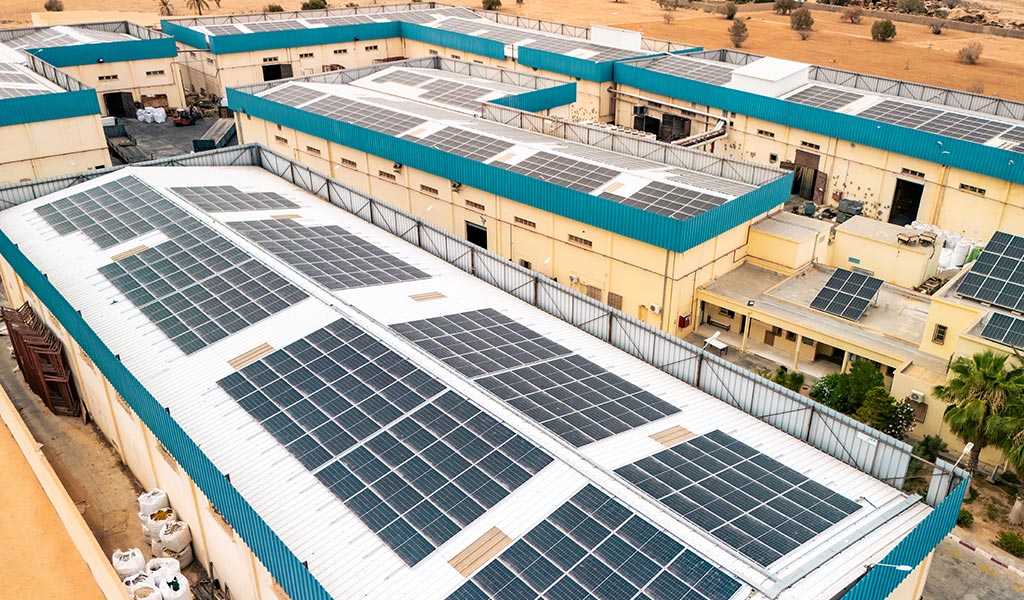
Between Forecast Heatwaves and a Power Grid Under Pressure, the Time Has Come to Take Control of Your Energy Consumption
A Summer Expected to Be Among the Hottest on Record
As early as June 2026, Tunisia had already experienced a preview of what lies ahead: temperatures reached 41.5°C in Matmata, while several regions including Tozeur, Kébili, Médenine, and Gafsa exceeded the 40°C mark. Climate forecasts indicate that this was only the beginning, with heat domes expected to peak in July and August and prolonged heatwaves forecast well above seasonal averages.
According to climate projections, the number of consecutive extreme heat days in Tunisia is expected to increase significantly compared with historical averages, with coastal areas and southern regions among the most exposed.
This rising heat is not simply a matter of comfort. It is becoming a direct economic factor for any business relying on air conditioning to operate offices, warehouses, or production facilities.
An Electricity Grid Already Under Pressure
Higher temperatures have a direct impact on national electricity consumption. Every summer, cooling demand intensifies pressure on the power grid, increasing energy costs and operational exposure for businesses.
For industrial and commercial companies, dependence on the grid during peak periods creates a double challenge: higher electricity bills and increased operational vulnerability.
In Tunisia, electricity pricing structures place additional pressure on periods of high demand, particularly during summer peak hours. For businesses operating cooling systems and equipment throughout the day, energy costs can rise rapidly.
The Game-Changing Paradox: The Hotter It Gets, the More the Sun Produces
This is the key factor many companies have yet to fully leverage: the period when electricity demand surges is exactly when photovoltaic production reaches its highest levels.
In practice, this means that a solar self-consumption installation can cover a substantial share of your energy needs precisely when grid electricity becomes most expensive and constrained.
Instead of absorbing the combined pressure of rising costs and network dependency, companies can generate their own electricity at the exact moment they need it most.
This is one of the reasons Tunisia continues to accelerate renewable energy deployment and rooftop solar development to support grid stability and reduce pressure during peak demand periods.
A Decision That Should No Longer Wait
For industrial and service-sector businesses connected to Medium Voltage networks, the equation is becoming increasingly clear: every summer without a solar solution means higher energy costs and continued exposure to operational risks — outages, load shedding, and grid instability.
Solar self-consumption directly addresses both challenges. It reduces electricity costs during the most expensive periods while decreasing dependence on the national grid when it is under maximum stress.
Africa Solar: Prepare for Summer, Don’t Endure It
At Africa Solar, we support Tunisian businesses in implementing solar self-consumption solutions tailored to their consumption profile.
From feasibility studies and system sizing to administrative procedures, installation, and performance monitoring, we manage the entire project lifecycle so your business can generate its own energy exactly when it needs it most.
The next extreme summer will only reinforce this trend.
The question is no longer whether solar transition makes sense for your business — it is how quickly you can make it happen.
Contact Africa Solar today for a free assessment of your solar potential.